Global Japanese Sushi Rolls
Highlighted under: Exotic Food | New Flavors
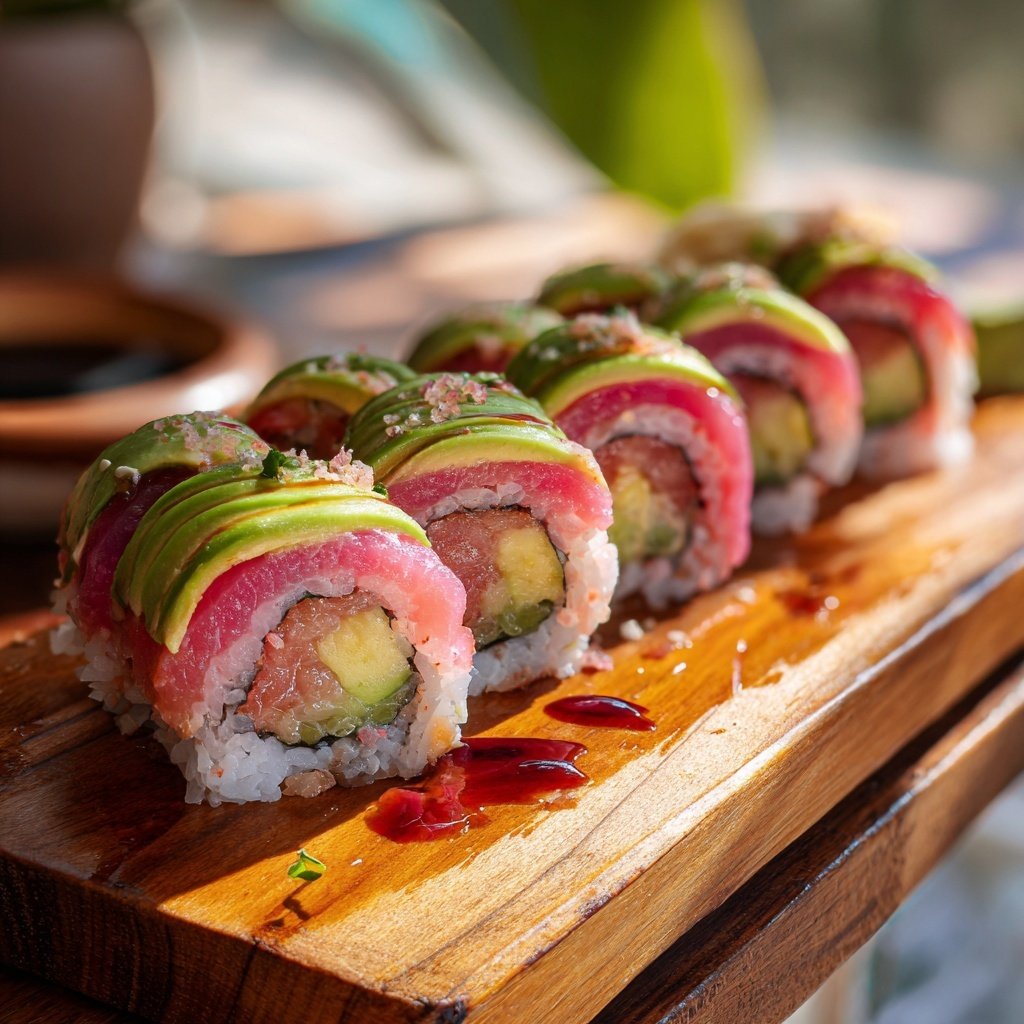
I absolutely love making sushi rolls at home! It's such a fun and interactive experience to prepare these Global Japanese Sushi Rolls, and they taste so fresh. I enjoy selecting various fillings that reflect diverse culinary influences, from spicy tuna to creamy avocado. The best part? It’s a great opportunity to gather friends and family for a sushi-making night. Everyone can customize their rolls to their liking, making it a delightful culinary adventure for all involved.
Creating Global Japanese Sushi Rolls has become one of my favorite kitchen activities. I remember the first time I rolled sushi; it was a mix of curiosity and excitement. After experimenting with different fillings, I discovered that using short-grain rice and a touch of rice vinegar creates the perfect balance of flavors and textures. It's all about freshness and quality ingredients!
One of my go-to tips is to always have a wet cloth nearby to keep the bamboo mat and your hands hydrated. This prevents the rice from sticking and makes rolling much easier. There’s nothing quite like the satisfaction of slicing through a perfectly rolled sushi!
Why You Will Love These Rolls
- Versatile fillings to satisfy any palate
- Interactive cooking experience perfect for gatherings
- Fresh ingredients that burst with flavor
Mastering Sushi Rice
The key to perfect sushi rolls lies in the sushi rice. It should have a sticky texture that holds together well but isn't overly mushy. Rinsing the rice is crucial; it removes excess starch, which can make the rice gummy. Aim to rinse until the water runs completely clear, which usually takes about 3-4 washes. Once cooked, mixing it with the rice vinegar, sugar, and salt while it's still warm will allow the flavors to absorb better.
When cooking the rice, the ratio is generally 1 cup of rice to 1.25 cups of water, but using specific instructions from your rice cooker is best. After cooking, let it steam for an additional 10-15 minutes off the heat, which helps achieve that perfect fluffy texture. If you don’t have a rice cooker, you can use a pot; just keep the lid on tightly and simmer on low after boiling for about 18-20 minutes.
Choosing Your Fillings
The beauty of Global Japanese Sushi Rolls lies in their versatility of ingredients. While sushi-grade fish like tuna and salmon are traditional, don’t hesitate to explore alternatives such as grilled vegetables, tofu, or even fruits like mango for a unique twist. If you’re using fish, ensure it’s fresh and sushi-grade to prevent foodborne illnesses. Fresh ingredients will not only enhance flavor but also contribute to the overall aesthetic of your rolls.
To add depth to your rolls, consider experimenting with sauces or spreads such as spicy mayo, cream cheese, or even a drizzle of sesame oil. These elements can elevate the flavor profile significantly. If you’re looking for a healthier option, integrate leafy greens or sprouts in place of heavier fillings, providing a fresh crunch while reducing the overall calorie count.
Rolling and Serving Techniques
When assembling your rolls, the pressing technique is essential for uniformity and form. As you roll, apply gentle, even pressure with the bamboo mat to ensure the rice and fillings combine fully without squishing them. If your nori sheet is dry, consider lightly toasting it over a flame for a few seconds to make it more pliable. This step can enhance the flavor and help the nori stay crisp longer after rolling.
Cutting the rolls is just as important as rolling them. A sharp, wet knife helps achieve clean cuts without tearing the roll. Aim for 6-8 pieces per roll, and a light sawing motion works best. Present your sushi rolls on a beautiful platter with dips and garnishes like pickled ginger and wasabi for a restaurant-style experience at home. If you have leftovers, enjoy them the next day cold, but they are best eaten fresh.
Ingredients
Gather these ingredients before you start rolling:
Sushi Roll Ingredients
- 2 cups sushi rice
- 2 1/2 cups water
- 1/3 cup rice vinegar
- 1 tbsp sugar
- 1 tsp salt
- 4 sheets nori (seaweed)
- 1 avocado, sliced
- 1 cucumber, julienned
- 1 lb sushi-grade fish (e.g., tuna, salmon), sliced
- Pickled ginger, for serving
- Soy sauce, for serving
- Wasabi, for serving
Now that you have everything ready, let's start making our sushi rolls!
Instructions
Follow these steps to roll your sushi:
Prepare the Sushi Rice
Rinse the sushi rice under cold water until the water runs clear. Combine the rice and water in a rice cooker and cook according to the manufacturer's instructions. Once cooked, transfer to a bowl and gently mix with rice vinegar, sugar, and salt.
Prepare Ingredients
While the rice is cooling, prepare your fillings by slicing the avocado, cucumber, and fish into thin strips.
Assemble the Sushi Roll
Place a bamboo mat on a clean surface and lay a sheet of nori on top, shiny side down. Spread a thin layer of sushi rice over the nori, leaving a 1-inch border at the top. Arrange your choice of fillings in a line across the middle of the rice.
Roll the Sushi
Starting from the bottom, lift the bamboo mat and roll it away from you, pressing gently but firmly to form the roll. Use the mat to shape it into a cylindrical form for even rolling.
Slice and Serve
With a sharp, wet knife, slice the sushi roll into bite-sized pieces. Serve with pickled ginger, soy sauce, and wasabi.
Enjoy your homemade sushi rolls!
Pro Tips
- To make your rolls even more exciting, experiment with different ingredients like tempura shrimp, cream cheese, or spicy mayo. Fresh herbs like cilantro or Thai basil can add a unique twist!
Storage Tips
If you have leftover sushi rolls, store them in an airtight container in the fridge. They are best consumed within 24 hours, as the nori can become soggy over time. To maintain the texture, you can wrap the rolls in cling film before placing them in the container. Avoid freezing sushi, as the quality and texture of the rice and fillings degrade significantly when thawed.
When you're ready to eat the stored sushi, let it sit at room temperature for about 10-15 minutes to allow the flavors to revive and the rice to soften slightly. Cold sushi can be unappetizing, so a little time outside the fridge will make it more enjoyable, akin to freshly made sushi directly from your kitchen.
Variations and Customizations
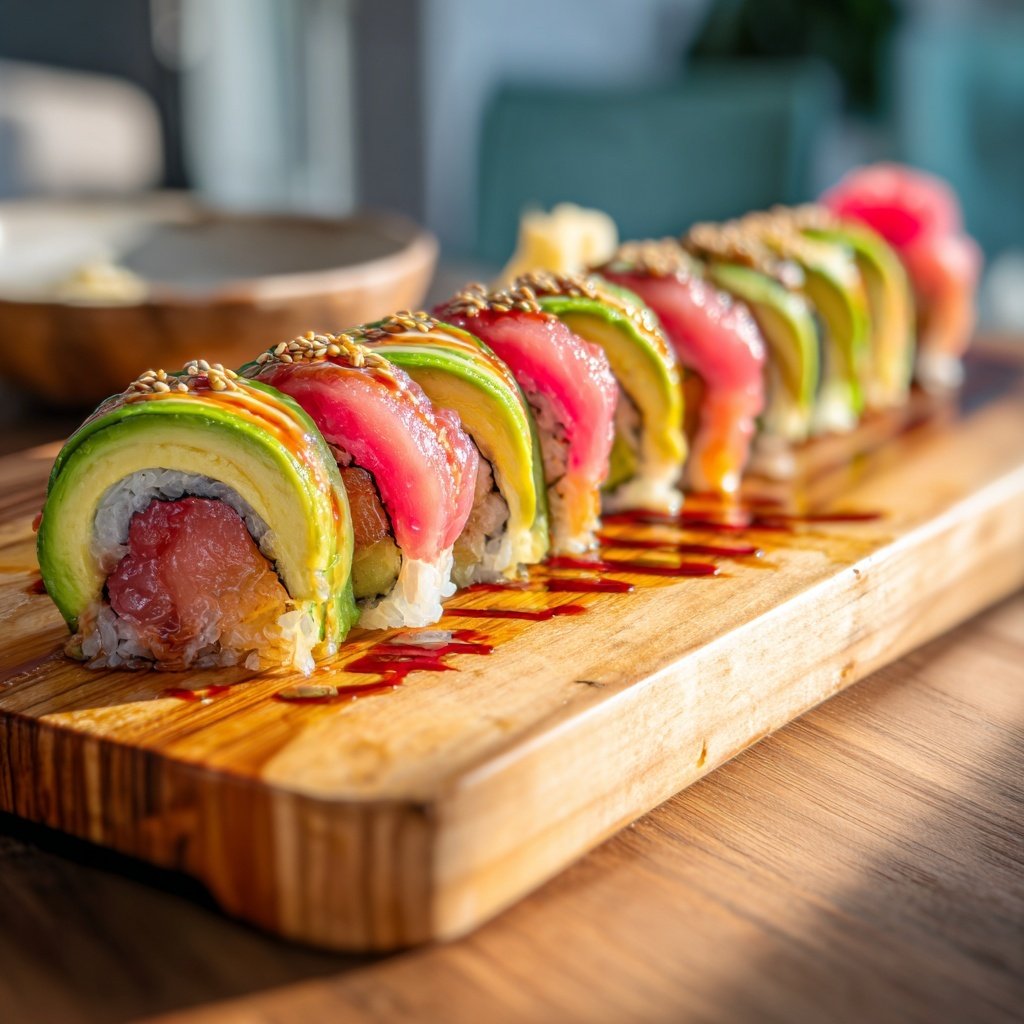
Feel free to customize your sushi rolls based on dietary preferences or seasonal ingredients. For example, for a vegetarian option, use marinated or grilled tofu, roasted peppers, and avocado. The sky's the limit regarding fillings; consider adding herbs like cilantro or basil for a fresh twist. You can also sprinkle sesame seeds on the outside of the roll before slicing for added crunch and presentation.
For a fusion experience, try international flavors like kimchi, barbecue chicken, or even curry-seasoned vegetables. These creative fillings can offer an exciting culinary adventure while still keeping the core sushi technique intact. Remember that balance is key—ensure that your flavors complement rather than overpower one another, enhancing the overall experience of your Global Japanese Sushi Rolls.
Questions About Recipes
→ Can I use other types of rice?
Sushi rice is best for the right texture, but you can use other short-grain rice if necessary.
→ What are some vegetarian fillings?
Consider using fresh vegetables like bell peppers, carrots, or even tofu for a satisfying vegetarian option.
→ How do I store leftover sushi?
It's best to eat sushi fresh. However, if you have leftovers, refrigerate them in an airtight container and consume within a day.
→ Can I make sushi without raw fish?
Absolutely! You can use cooked seafood, vegetables, or even fruits for a delightful sushi experience.
Global Japanese Sushi Rolls
Created by: The Chefgrantskitchen Team
Recipe Type: Exotic Food | New Flavors
Skill Level: Intermediate
Final Quantity: 4 servings
What You'll Need
Sushi Roll Ingredients
- 2 cups sushi rice
- 2 1/2 cups water
- 1/3 cup rice vinegar
- 1 tbsp sugar
- 1 tsp salt
- 4 sheets nori (seaweed)
- 1 avocado, sliced
- 1 cucumber, julienned
- 1 lb sushi-grade fish (e.g., tuna, salmon), sliced
- Pickled ginger, for serving
- Soy sauce, for serving
- Wasabi, for serving
How-To Steps
Rinse the sushi rice under cold water until the water runs clear. Combine the rice and water in a rice cooker and cook according to the manufacturer's instructions. Once cooked, transfer to a bowl and gently mix with rice vinegar, sugar, and salt.
While the rice is cooling, prepare your fillings by slicing the avocado, cucumber, and fish into thin strips.
Place a bamboo mat on a clean surface and lay a sheet of nori on top, shiny side down. Spread a thin layer of sushi rice over the nori, leaving a 1-inch border at the top. Arrange your choice of fillings in a line across the middle of the rice.
Starting from the bottom, lift the bamboo mat and roll it away from you, pressing gently but firmly to form the roll. Use the mat to shape it into a cylindrical form for even rolling.
With a sharp, wet knife, slice the sushi roll into bite-sized pieces. Serve with pickled ginger, soy sauce, and wasabi.
Extra Tips
- To make your rolls even more exciting, experiment with different ingredients like tempura shrimp, cream cheese, or spicy mayo. Fresh herbs like cilantro or Thai basil can add a unique twist!
Nutritional Breakdown (Per Serving)
- Calories: 320 kcal
- Total Fat: 8g
- Saturated Fat: 1g
- Cholesterol: 25mg
- Sodium: 60mg
- Total Carbohydrates: 55g
- Dietary Fiber: 3g
- Sugars: 1g
- Protein: 10g