Asian-Inspired Salmon Pasta
Highlighted under: Exotic Food | New Flavors
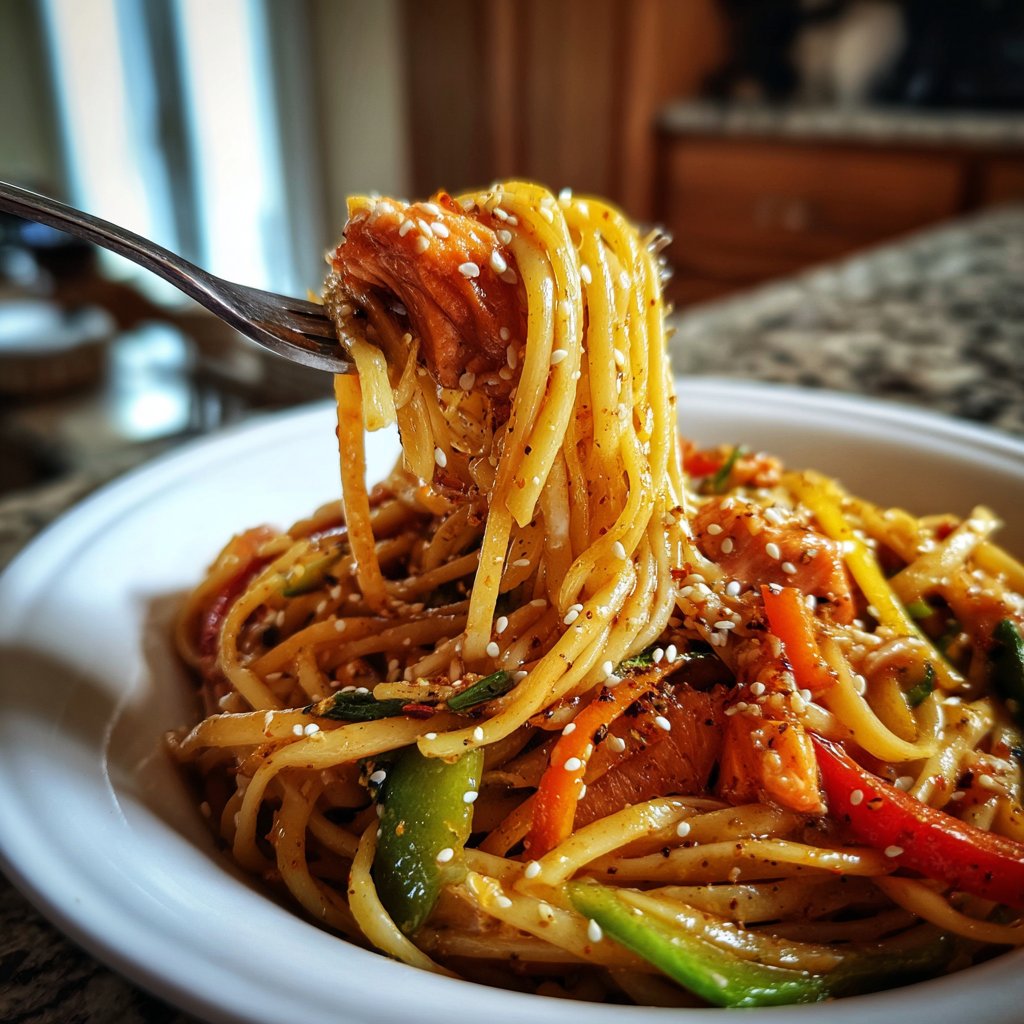
I absolutely love this Asian-Inspired Salmon Pasta! The way the flavors blend together makes for a delightful meal that is both satisfying and unique. Using fresh salmon is key, as it adds a rich texture and enhances the overall dish. The combination of soy sauce, garlic, and sesame oil takes simple pasta to a whole new level, transforming it into an elegant dish perfect for any occasion. I promise you'll want to make this again and again!
When I first experimented with this recipe, I never expected how well salmon and pasta would pair together. The flavorful sauce made with soy sauce and ginger really ties the dish together, adding an Asian twist that keeps things interesting. I enjoy using whole grain pasta for a healthier option that complements the rich salmon perfectly!
One important tip I learned is to sauté the garlic just until fragrant before adding the salmon. This enhances the flavors without burning the garlic, creating a harmonious blend that elevates every bite. Trust me, this lovely dish is sure to impress anyone around your dinner table!
Why You'll Love This Recipe
- Rich flavors of soy and ginger bring a delightful twist to traditional pasta.
- Fresh salmon adds a buttery texture that's irresistible.
- This dish makes for an elegant yet easy weeknight dinner.
Perfecting the Salmon
When cooking the salmon, maintaining the right heat is crucial. Start with medium heat to ensure that the exterior gets a nice sear without overcooking the inside. You'll know it's ready to flip when the salmon easily releases from the skillet and has golden edges. It typically takes about 4-5 minutes per side, depending on the thickness of your fillets. Don't hesitate to check the internal temperature; it should reach around 145°F for perfect doneness.
If you want to ensure a perfectly flaky salmon, let it sit for a minute after removing it from the skillet. This resting time allows the juices to redistribute, keeping it moist and tender. For added flavor, consider marinating the salmon in a mix of sesame oil, soy sauce, and ginger for about 30 minutes before cooking. This not only enhances the taste but also adds a lovely glaze to the fillets.
Flavor Forward Techniques
The garlic and ginger mixture serves as the flavor foundation for this dish. Sautéing them until Just fragrant helps release their essential oils, resulting in a deeply aromatic sauce. Keep an eye on the garlic as it can burn quickly; about 1 minute on medium heat should suffice. If you're sensitive to the strong taste of raw garlic, try adding it a moment after the ginger, as that will soften its sharpness.
Incorporating fresh vegetables, like snap peas, not only elevates the texture but also contributes a vibrant color to your dish. When cooking the snap peas, aim for a bright green color while keeping them slightly crisp, which usually takes about 2-3 minutes. This technique avoids losing their nutrients while ensuring they maintain their bite, making the pasta dish colorful and enjoyable.
Serving and Storing Tips
For serving, giving the dish a light drizzle of additional sesame oil or a splash of fresh lemon juice can brighten the overall flavors. Pairing it with some citrus not only complements the flavors of the salmon but also adds a refreshing note. Consider serving this dish alongside a simple cucumber salad to balance the richness and bring a contrast of textures.
If you have leftovers, store them in an airtight container in the refrigerator for up to 3 days. Reheat gently on the stove to avoid overcooking the salmon. If you're looking to make this recipe ahead of time, cook the spaghetti and salmon separately, then combine just before serving to maintain their textures. I often find that adjusting the seasoning with a little more soy sauce or sesame oil when reheating brings it back to life.
Ingredients
Gather the following ingredients to get started.
For the Pasta
- 12 oz whole grain spaghetti
- 4 cups water
- 1 teaspoon salt
For the Salmon and Sauce
- 1 lb fresh salmon fillets
- 2 tablespoons olive oil
- 3 cloves garlic, minced
- 2 tablespoons soy sauce
- 1 tablespoon sesame oil
- 1 tablespoon fresh ginger, grated
- 1 cup snap peas, trimmed
- 2 green onions, sliced
- Sesame seeds for garnish
Ensure all fresh ingredients are prepared and ready to cook.
Instructions
Follow these steps for a quick and delicious meal.
Cook the Pasta
In a large pot, bring water to a boil. Add salt and then the spaghetti. Cook according to package instructions until al dente, usually around 10-12 minutes. Drain and set aside.
Sauté the Salmon
In a large skillet, heat olive oil over medium heat. Season the salmon fillets with salt and pepper. Place them skin-side down in the skillet, cooking for about 4-5 minutes on each side, or until cooked through. Remove from skillet and set aside.
Prepare the Sauce
In the same skillet, add minced garlic and grated ginger. Sauté for about 1 minute until fragrant. Then, add soy sauce, sesame oil, and snap peas, cooking for an additional 2-3 minutes.
Combine Everything
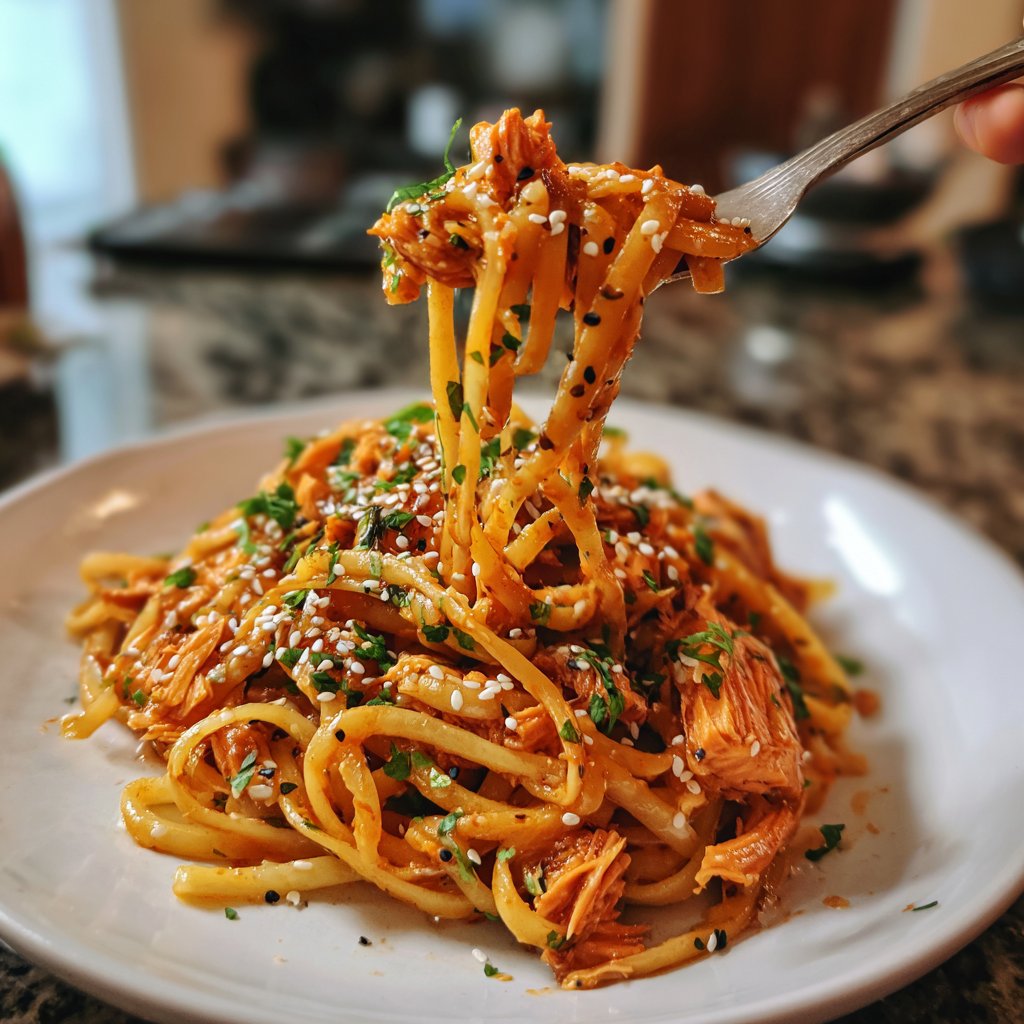
Flake the salmon into bite-sized pieces and add it back to the skillet, along with the cooked spaghetti and sliced green onions. Toss everything together until heated through, adjusting seasoning as needed.
Serve
Plate the pasta and salmon mixture, garnishing with sesame seeds and extra green onions if desired. Enjoy!
Make sure to enjoy this meal while it's warm!
Pro Tips
- For an extra kick, consider adding a pinch of red pepper flakes to the sauce. If you're short on time, feel free to use pre-cooked salmon to simplify the process.
Ingredient Insights
Whole grain spaghetti is not just a healthier alternative; it also brings a nuttiness that pairs beautifully with the Asian flavors in this dish. If you're looking for a gluten-free option, consider using rice noodles or buckwheat noodles, which can absorb the sauce well and offer a different texture that still works wonderfully in this recipe.
Fresh salmon is the star of this dish. When choosing your salmon, look for bright, unblemished skin and firm flesh that springs back when pressed. The freshness will dramatically enhance the flavor and texture of your pasta. If fresh salmon isn't available, high-quality frozen salmon can work; just ensure it's thawed thoroughly before cooking.
Customizing Your Dish
Feel free to experiment with different vegetables in this recipe. Bell peppers, spinach, or bok choy can all add their unique flavors and textures. Just make sure to adjust cooking times accordingly, as denser vegetables like carrots might require a bit more cooking time to achieve that pleasant tenderness without losing their crunch.
If you prefer a bit of heat, consider adding a sprinkle of red pepper flakes when sautéing the garlic and ginger. This will give your dish an added kick that complements the rich salmon and savory sauce beautifully. Alternatively, top with sliced fresh chili for a colorful finish that packs heat!
Questions About Recipes
→ Can I use frozen salmon for this recipe?
Yes, you can use frozen salmon. Just make sure to thaw it completely before cooking.
→ What can I substitute for soy sauce?
You can use tamari or coconut aminos for a gluten-free or lower-sodium option.
→ How do I store leftovers?
Store leftovers in an airtight container in the fridge for up to 2 days. Reheat gently in a skillet.
→ Can I add vegetables to this dish?
Absolutely! Broccoli and bell peppers make excellent additions for extra nutrition and color.
Asian-Inspired Salmon Pasta
Created by: The Chefgrantskitchen Team
Recipe Type: Exotic Food | New Flavors
Skill Level: Intermediate
Final Quantity: 4 servings
What You'll Need
For the Pasta
- 12 oz whole grain spaghetti
- 4 cups water
- 1 teaspoon salt
For the Salmon and Sauce
- 1 lb fresh salmon fillets
- 2 tablespoons olive oil
- 3 cloves garlic, minced
- 2 tablespoons soy sauce
- 1 tablespoon sesame oil
- 1 tablespoon fresh ginger, grated
- 1 cup snap peas, trimmed
- 2 green onions, sliced
- Sesame seeds for garnish
How-To Steps
In a large pot, bring water to a boil. Add salt and then the spaghetti. Cook according to package instructions until al dente, usually around 10-12 minutes. Drain and set aside.
In a large skillet, heat olive oil over medium heat. Season the salmon fillets with salt and pepper. Place them skin-side down in the skillet, cooking for about 4-5 minutes on each side, or until cooked through. Remove from skillet and set aside.
In the same skillet, add minced garlic and grated ginger. Sauté for about 1 minute until fragrant. Then, add soy sauce, sesame oil, and snap peas, cooking for an additional 2-3 minutes.
Flake the salmon into bite-sized pieces and add it back to the skillet, along with the cooked spaghetti and sliced green onions. Toss everything together until heated through, adjusting seasoning as needed.
Plate the pasta and salmon mixture, garnishing with sesame seeds and extra green onions if desired. Enjoy!
Extra Tips
- For an extra kick, consider adding a pinch of red pepper flakes to the sauce. If you're short on time, feel free to use pre-cooked salmon to simplify the process.
Nutritional Breakdown (Per Serving)
- Calories: 540 kcal
- Total Fat: 28g
- Saturated Fat: 4g
- Cholesterol: 75mg
- Sodium: 620mg
- Total Carbohydrates: 45g
- Dietary Fiber: 7g
- Sugars: 2g
- Protein: 32g